
Nairobi is one of those places where you simply do what you must to live the life you want. This includes saving a coin wherever possible, and one way to do that is by subletting part of the house you’ve rented for your family.
No, this isn’t about renting a house and listing it on Airbnb as many Kenyans has been doing. In this context, it’s about renting a main house, and then subletting some of the built-in extensions to willing tenants.
In this article, I’ll walk you through everything you need to know about main houses, plus a highlight of how Nairobi residents use them to cut their rent costs.
What’s a Main House?
So… your realtor just told you she has a vacant “main house” that meets your requirements? Here in Nairobi, this term basically means a standalone home, with its own compound and amenities.
Most main houses for rent in Nairobi are maisonettes/ mansionettes—usually two storeys—with classic tile roofing and at least four built-in bedrooms. Below is a summary of other features you can expect from this type of rental.
| Features | |
| Type of Residence | Own Compound |
| Perimeter Wall | YES |
| Type of House | Maisonette |
| Number of Storeys | Mostly Two |
| Built-in Rooms | 8 or more |
| Built-in Bedrooms | 4 or more |
| Number of Bathrooms | 2 or more |
| Master Ensuite | YES |
| Number of Toilets | 2 or more |
| Type of Flooring | Ceramic, luxury vinyl, laminate, or terrazo |
| Luxury Lighting | YES (But not always) |
| Dedicated Washing Area | YES |
| Built-in Garage | Rarely (I mean never) |
| Parking Space | One or Two cars |
| DSQ Extension | YES (1 or more) |
| Compound | Cabro-paved or concrete |
| Water Reservoir | 5,000 – 10,000+ liters |
How Nairobians Pay Two-Bedroom Rent for a Four-Bedroom House
Quick version: You rent the main house with four built-in bedrooms and DSQ extensions. Then, your family occupies the mansion, while you sublet the DSQ units. How does this help you save money on rent?
Let’s use this example—
The current rent rate for a main house in South B, Nairobi ranges from 65,000 to 80,000 or more. If the house has two DSQ extensions, you can sublet them for a sum of up to 30,000, depending on size and condition. Some renters even sublet the downstairs guest room, bringing in 35,000 – 40,000 in total. Consequently, this reduces the monthly rent you’ll be paying to 30,000 – 45,000.
While this strategy allows you to live in a large and comfortable house for much less, it does come with drawbacks. But before we get into those, let’s briefly look at the essential features and elements of a typical rental main house in Nairobi, Kenya…
Features of a Main House
Located Within Gated Estates
All the main houses I’ve come across in Nairobi are situated within large, gated estates. I know about eight of them here in South B, usually with one or two functional main gates and another gate (likely for emergencies) that always remain closed. The main gates are manned 24/7 and closed at night to prevent unauthorized entry— the estate I lived in would lock its gates at 10 PM.
Available Security Personnel
Estates with these main houses usually have security personnel positioned at various points. One or two guards are always stationed at the main gate, while others are posted around the estate.
For example, the estate I lived in had guards at eight different points each day. Other estates may have fewer or more officers depending on their size.
Own Compound & Perimeter Wall
As mentioned earlier, a main house is built within its own compound, meaning you enjoy all amenities privately. The house is usually surrounded by a perimeter wall— either a full 4–6-foot brick wall or a shorter 2–3-foot one topped with steel bars. Some houses with shorter walls also feature a live hedge for a soft, green finish and added privacy.
The perimeter wall includes a front main gate and a smaller rear mini-gate. The main gate accommodates both vehicles and people, while the mini-gate is designed for pedestrian access only.
Front & Back Compound
All the main house compounds I’ve visited are either concreted or cabro-paved. This ensures easy cleaning and prevents dust during dry seasons or mud during the rainy months.
The front compound (front yard) serves as the main entrance, a relaxation area, and parking space. Then, the back compound (backyard) typically doubles as a resting area and a space for hanging clothes.
Personal Parking Space
When you rent a main house, the entire compound is essentially yours, including the area in front of the gate. You can park your vehicle either outside or within the front compound.
However, parking on the street exposes your car to risks— such as being hit by another estate resident (either unskilled or intoxicated driver). The safest option is to park inside your perimeter wall, where most compounds can comfortably fit one standard car.
Mansionette House
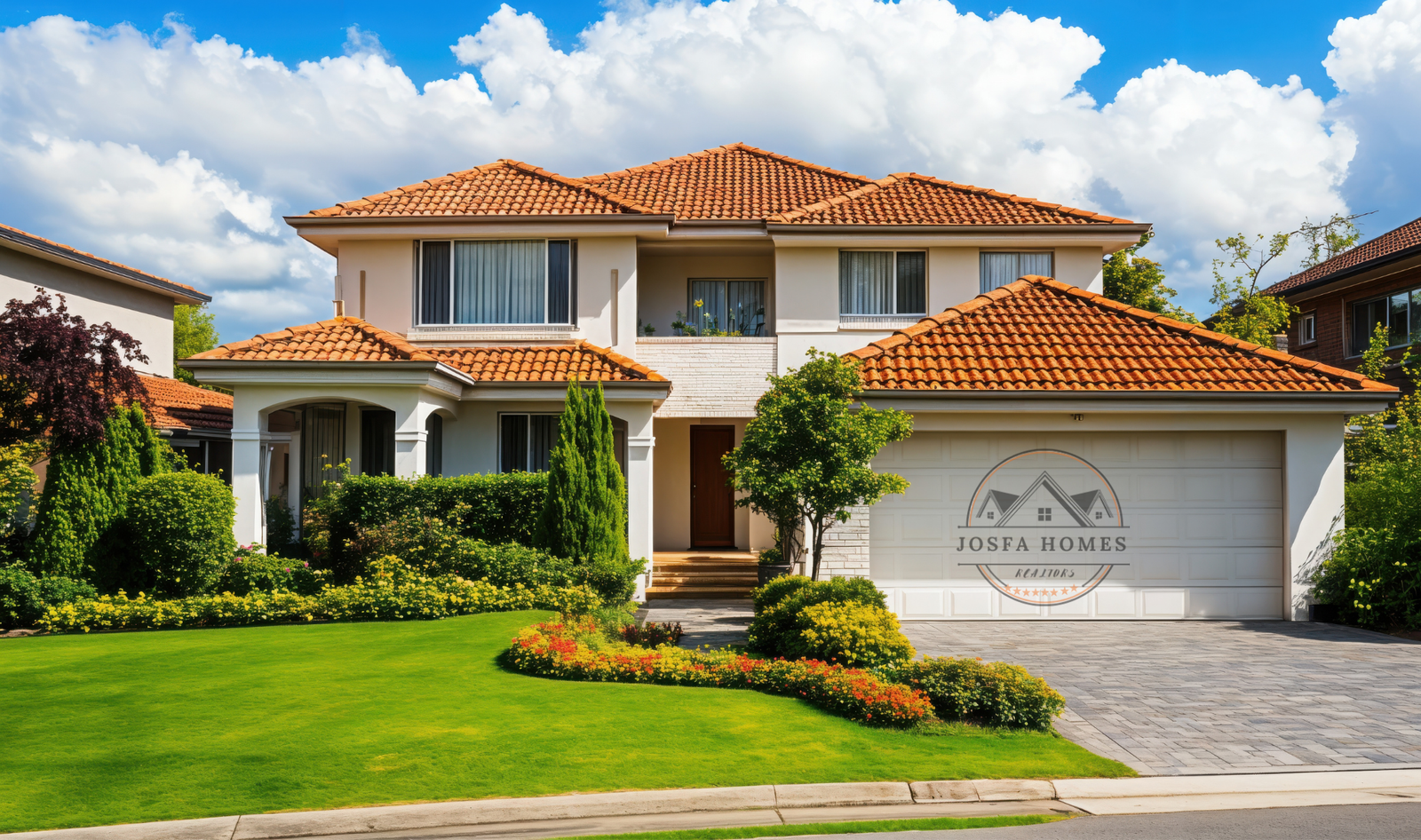
All the main houses I’ve seen in South B are classic two-storey maisonettes with tiled roofing. Since they are part of gated estates, the houses usually share a uniform architectural style that creates a neat, consistent look across the neighborhood.
Spacious, Modern Living Area
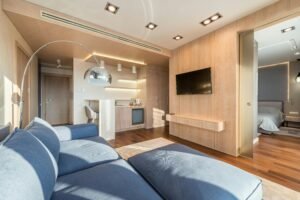
The main houses I’ve explored feature large living areas capable of accommodating a sizeable TV stand and three sets of 7- to 10-seater couches. Many also include modern finishes such as decorative crown molding, chandeliers, pendant lighting, gypsum ceilings with recessed lights, stone cladding, 3D wallpaper, and luxury flooring.
Dedicated Dining Space
The dining area in most main houses is a side extension of the living room. It is often spacious enough to fit a dining table for eight or more people, along with a small food service table and a water dispenser.
Complete Kitchen
If you prefer to cook your own meals, main houses include a large kitchen— big enough to fit a large fridge and cooker while still leaving room for five or more people to work comfortably. The kitchen features a countertop with a stainless-steel sink (usually with two faucets) and cabinets for storing household supplies, non-perishable foods, and utensils.
The kitchen of most mansions in Nairobi has a closed floor plan with an interior door leading to the living area. Some also have a back door that opens into the backyard.
Spacious Bedrooms
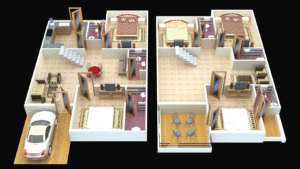
Many main-house mansionettes in Nairobi are four-bedroomed, with only a few estates offering five-bedroom options. In four-bedroom house designs, the first bedroom is usually downstairs (often used as a guest room), while the remaining three are upstairs.
Among the upstairs rooms, one is the master bedroom— spacious enough for a king-size bed, TV stand, and dressing table. The master bedroom also has larger closets compared to the other rooms.
Multiple Bathrooms & Toilets
All the main houses I’ve been to have at least two bathrooms/ toilets. The first toilet is always downstairs, for use by the people in the living room, kitchen, or guest room.
The second toilet is usually upstairs, positioned for easy access from the other bedrooms. It’s often combined with a shared bathroom.
Moreover, the master bedroom of main houses is ensuite in most cases, featuring its own toilet and shower. This bathroom is often more spacious and may include a bathtub.
Dedicated Washing Area
Every main house has a designated washing area, usually located at the back of the house. The area has a water tap and pre-installed hooks or poles for hanging clotheslines.
Also, the back compound is concreted or cabro-paved, so you won’t have to worry about your clean laundry getting dusty— unless the compound itself isn’t maintained.
Exclusive Water Reservoir
Unlike most rental apartments, main houses will have water reservoirs dedicated solely to your property. The primary reservoir is usually 5,000 liters, though some homes may have a 10,000-liter option to serve your family longer.
In addition, the house will have a smaller elevated tank (usually 1,000–2,000 liters) that supplies water to the house. This tank is elevated because kitchen faucets, showers, and bathroom taps may not have enough pressure if the tank is placed at ground level.
However, this setup means you’ll need a water pump to move water from the ground reservoir to the elevated tank, an extra cost to factor into your daily electricity usage.
Extra DSQ Extensions
Most main houses come with the “main” mansion plus an extra DSQ (domestic servant quarter) extension. A DSQ is often a small SQ room, but can also be a bedsitter, studio, or even a one-bedroom unit.
As the temporary owner of the home, you can either keep these extensions for use by your family members or sublet them. Majority of people choose to sublet, which helps recover part of the main house rent.
If you can remember my previous comparison between bedsitter vs studio vs SQ houses, I mentioned the monthly rent for these units can go as high as 18K for an SQ, 23K for a bedsitter, and 14K for a studio—depending on size and included amenities.
The best part about DSQ extensions is that they come with their own bathroom and toilet. The tenants also get their own mini-gate, allowing you to maintain privacy at the front side of the home.
Higher and Lower Pricing
The monthly rent for a main house in Nairobi varies depending on the estate and the house size. In South B, three estates I recently visited had rents ranging between KSh 65,000 and KSh 80,000. As expected, the higher rates apply to the best residences—those with modern renovations or multiple DSQ extensions.
DSQs can typically be sublet at 8,000–14,000 for an SQ, 15,000–18,000 for a bedsitter, and 18,000–23,000 for a studio or one-bedroom unit.
For example, a friend of mine rents her 4-bedroom main house for 65,000 per month. She then sublets the one-bedroom extension for 16,000 (I’d personally charge 20,000) and the downstairs guest wing for 10,000. This earns 26K back, leaving her with a net rent of 39K for the remaining 3 bedrooms.
Drawbacks of Subletting Your DSQ Extensions
While renting a main house has many advantages, subletting the DSQ extensions comes with downsides as well. These include:
- Not every DSQ tenant will be willing to follow your house rules.
- You lose some privacy since the DSQ user is still within your compound. Privacy concerns worsen if the DSQ is attached to the main house or if you’re subletting the guest wing.
- You must always budget to cover the full rent yourself in case the DSQ tenant delays payment.
- Some DSQ users may overuse shared amenities such as water, electricity, or even internet if included.
- You may not fully know who you’re renting to unless they are a family member or someone referred by a trusted friend.
If you plan to use this approach to afford a larger house, be prepared for these potential drawbacks. Most importantly, rent a main house only if you can comfortably afford it without relying on DSQ occupants to pay on time. Otherwise, you’ll just end up with an unhappy landlord who’s only interested in you and not those you’re subletting to.
And even if you can afford it, renting a house that exceeds your needs is still wasteful. Like I previously outlined when comparing ideal applications of 1 bedroom vs 2 bedroom vs 3 bedroom vs 4 bedroom houses, a 4-bedroom home is usually only necessary if you have a very large family—such as six children.
Looking for a Vacant Main House for Rent?
If you need a main house but don’t have the time to search for one, worry not. At JOSFA HOMES, we can help you find the mansion house for rent that matches your needs and budget. Just fill out our Rent a House Pre-Booking Form and choose “Mansion/ Villa.” If you prefer a main house with DSQ extensions or other features, simply include them in the “Optional” message section.
We have also partnered with AA Vision Builders, a local construction company that can help build your dream classic or modern mansion at competitive rates. Additionally, we are currently in discussions with a reputable financial institution to potentially provide suitable financing options for your new home construction.