

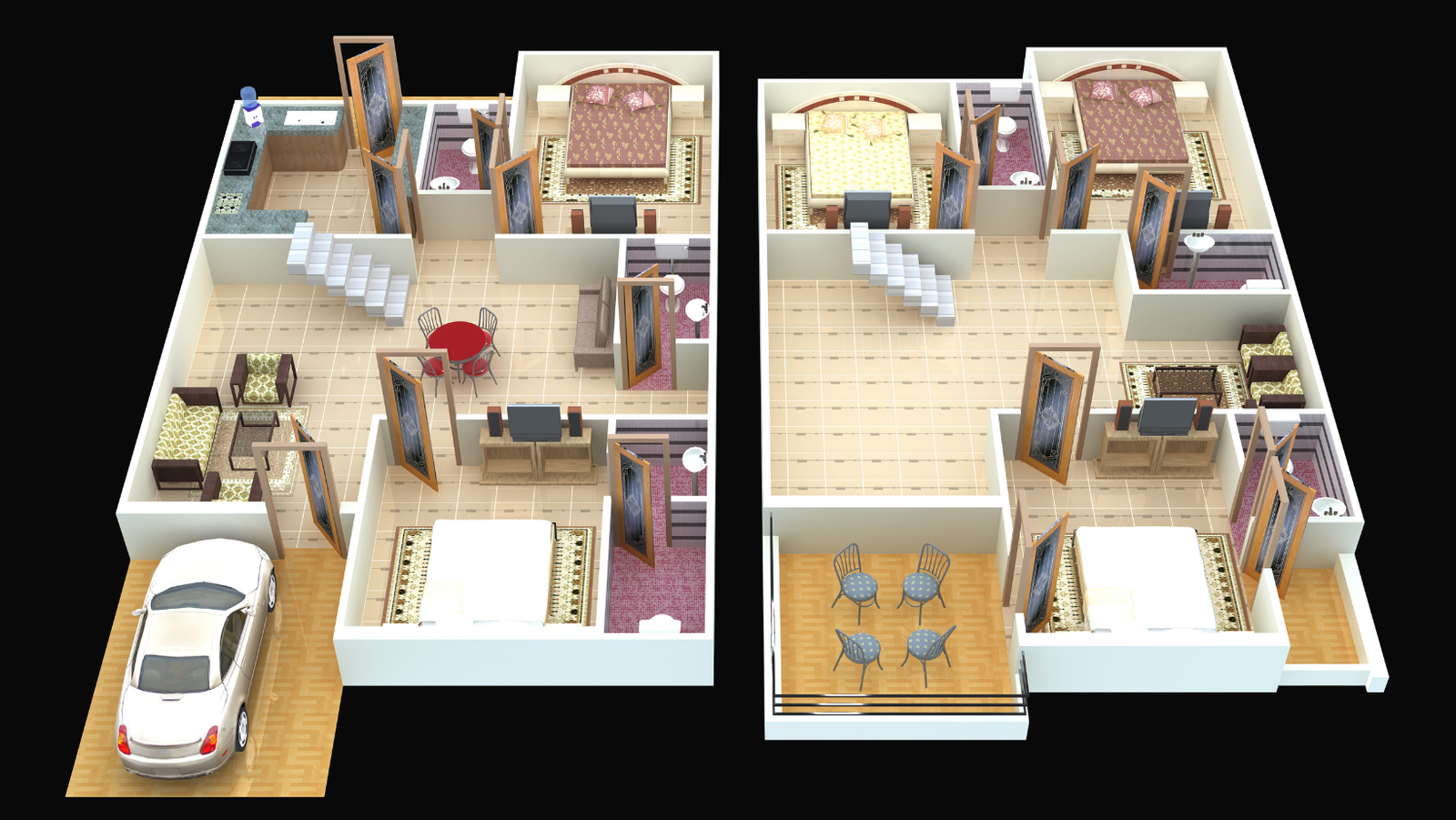
It’s not uncommon to see people switch between houses multiple times in a year. When I used to manage residential rentals here in Nairobi, we often encountered such tenants. One of the major reasons people switch from one rental house to another is the number of bedrooms.
Houses for rent or sale usually come with varying bedroom counts, ranging from 1 to 10+ bedrooms. There are even smaller options without a dedicated bedroom for those on a tighter budget, but that’s a topic for another day.
Around 10 years and above: Children, especially of opposite genders, begin needing privacy, so separate rooms are ideal if you can afford them
In today’s post, I’d like us to break down how to determine the right number of bedrooms for your household. Let’s start by looking at five crucial factors that can help you make that decision.
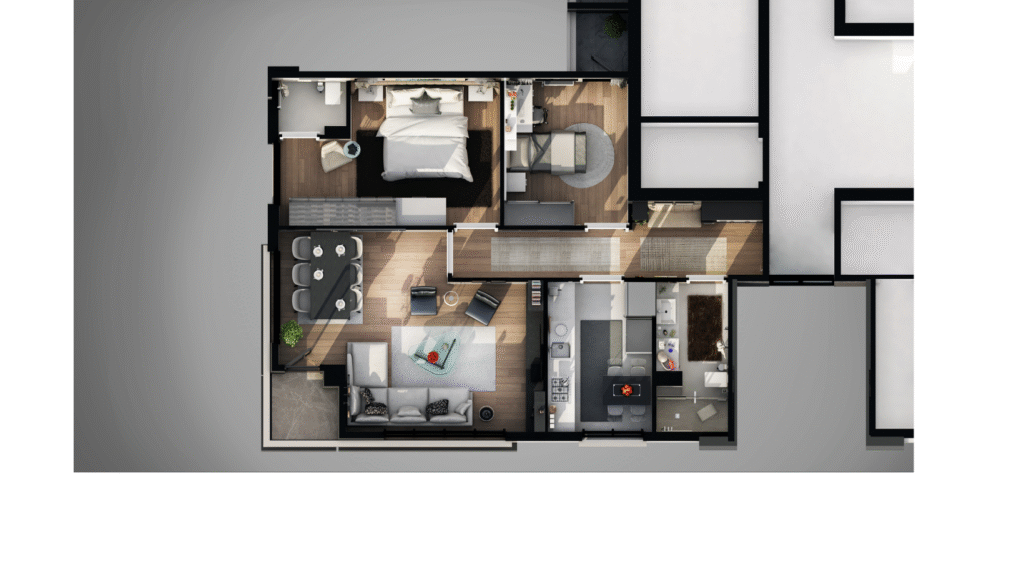
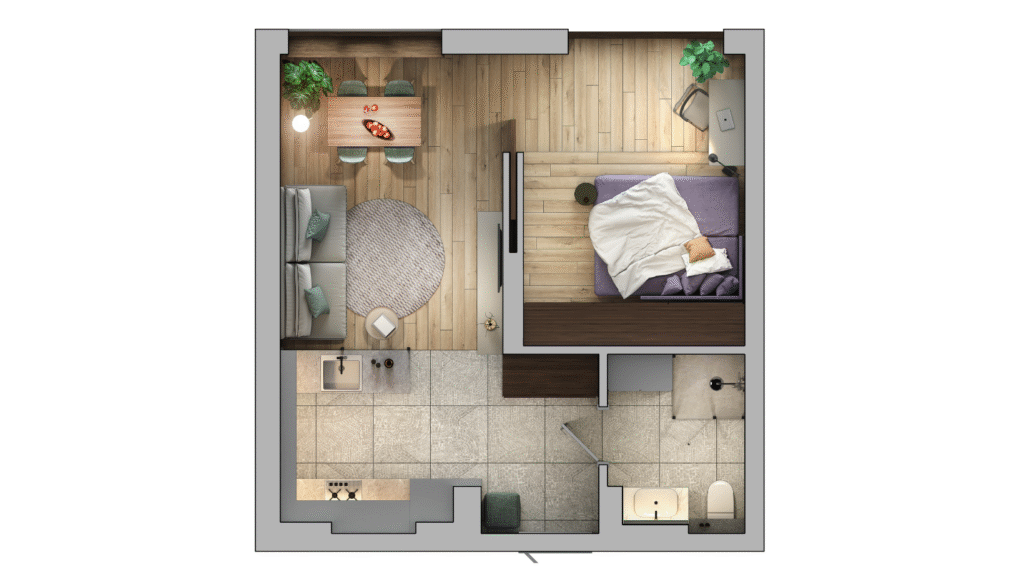
Factors That Determine How Many Bedrooms You Need in A House
Can you guess which house size is the most popular in Kenya right now? Hint: It’s no longer the two-bedroom house. The three-bedroom house has now become the most in-demand unit size across the country.
This means landlords need to re-evaluate their strategies since two-bedroom units—once the standard for many years—are no longer sufficient for many families.
But why is that, considering most families still have only one or two children? What has changed to make two-bedroom houses less desirable for many Kenyans?
When searching for a house to buy or rent for a client, we always consider five key aspects: Household size, household composition, future plans, other uses of space, and available budget. One or multiple of these aspects is also what’s influencing the demand of houses from 2 to three bedroom units.
1. Household Size
The first thing to consider before searching for houses to buy or rent in Kenya is your household size. For realtors, a household refers to the total number of people—both children and adults—living under the same roof.
The rule of household size requires you to count everyone who will be living with you and note their relationships. For example, a family of seven people may need a 7-bedroom, 6-bedroom, 5-bedroom, 4-bedroom, 3-bedroom, or even 2-bedroom house, depending on their household composition.
2. Household Composition
Simply put, household composition refers to the structure of the family members living together—covering their relationships, ages, and genders. These factors help determine the right number of bedrooms for a comfortable and peaceful home, avoiding both overcrowding and conflicts.
Let’s revisit our earlier example of a 7-member household:
- Daddy and Mommy can share one bedroom.
- The eldest son (16+ years) will need his own bedroom.
- The eldest daughter (16+ years) will also need her own bedroom.
- The third-born son (10 years) will need his own room since he can’t share with his older brother or sister.
- The fourth-born daughter (8 years) may also need her own room because her older sister needs privacy at that age, and she can’t share a boy’s bedroom.
- The last-born boy/ girl (6 years or younger) may either have his/ her own bedroom or share with one of the younger siblings (the 10-year-old brother or 8-year-old sister).
Therefore, this 7-member family would require at least a five-bedroom house, or six bedrooms if the last-born needs their own room.
Keep in mind that we haven’t even included guest rooms for visiting relatives—parents, siblings, aunties, uncles, nieces, or friends—or accommodation for a house-help.
3. Futureproof/ Scalability
What’s your plan for the future? Do you plan to have another child? Are you planning to live with an elderly parent? Will your nieces or nephews come to stay with you after school?
When you’re searching for a house to rent or buy, it’s important to think ahead. If your family is likely to grow soon, consider getting a house with an extra bedroom, if your budget allows. Otherwise, you might find yourself house-hunting, packing, moving, and unpacking all over again when a new member joins your household.
On the other hand, you might need to downsize if some members of your household plan to move out. For instance, many young adults in Kenya leave their parents’ homes in their 20s after graduating and finding a job. If you’re renting and your finances are tight, moving into a house with fewer bedrooms could help reduce your expenses.
4. Uses Beyond Sleeping
When searching for a house to rent or buy, also think about how you might use an extra bedroom. Some common examples include:
- Guest Room: Many tenants I’ve met during my time as a caretaker use their spare bedroom as a guest room. It’s essential if you frequently host relatives or friends overnight.
- Home Office: Another great use for a spare bedroom is a home office, especially if you work remotely. You’ll need space for a desk, computer, files, and a comfortable chair.
- Storage Room: A spare bedroom can serve as storage for appliances, furniture, luggage, or other items you’re not currently using. I’ve even seen someone use an extra bedroom to store their business stock.
- Hobby Room: You can also turn an extra bedroom into a space for your favorite indoor activities—such as a home gym, music studio, kids’ playroom, or nursery.
5. Available Budget
The cost of renting or buying a house increases with the number of rooms. The more bedrooms, the higher the price.
Therefore, you must consider your budget—how much you can afford without straining your finances. One thing you’ll notice among many renters in Nairobi is that they often live beyond their means. I was once one of them, paying KSh 15,000 in rent on a KSh 40,000 salary—Pwahahaha!
A good friend of mine, someone who owns rental properties, once told me that you should spend less than a third of your salary on rent. In my case, that would have been under KSh 13,000. But the “young blood” in me wanted a taste of city life.
The point is, you should try to balance your comfort living with affordability. If your list of expenses is longer than the number of zeros on your paycheck, you can use creative ways to manage living in a house with one fewer bedroom.
However, keep in mind that overcrowding or lack of privacy can affect your household’s quality of life. Thus, go for a house that fits your family size and lifestyle if your finances allow. If you can afford an extra room for other uses, even better.
Please Note
If you’re on a tight budget, you can creatively multi-use your rooms to make up for one less bedroom. Some common ways you can achieve this include:
- Using the guest room as a home office or storage space
- Turning the baby’s room into a combined playroom and nursery
- Adding a small work desk in the sitting room corner
- Placing a sofa bed in the living room for occasional guests
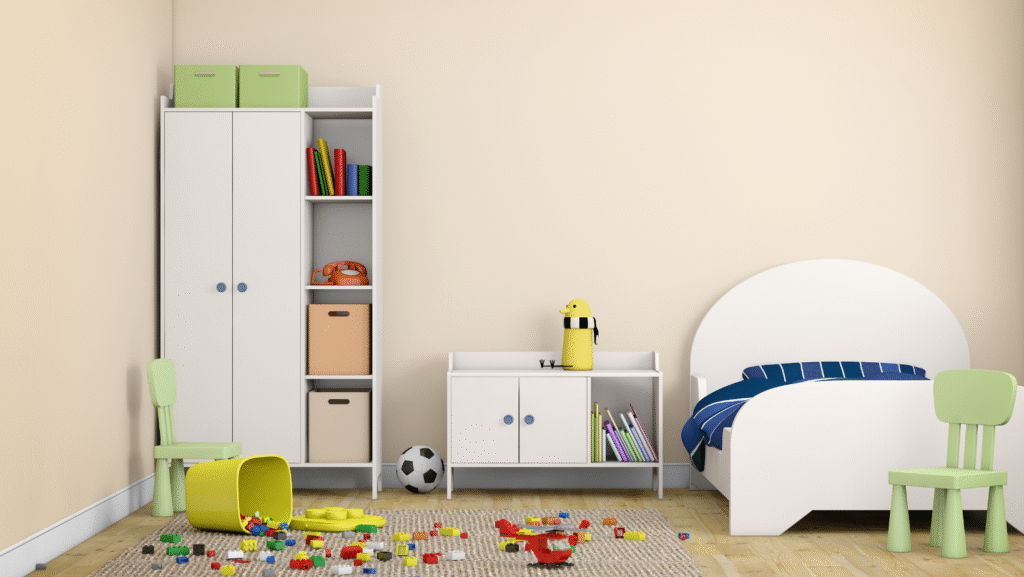
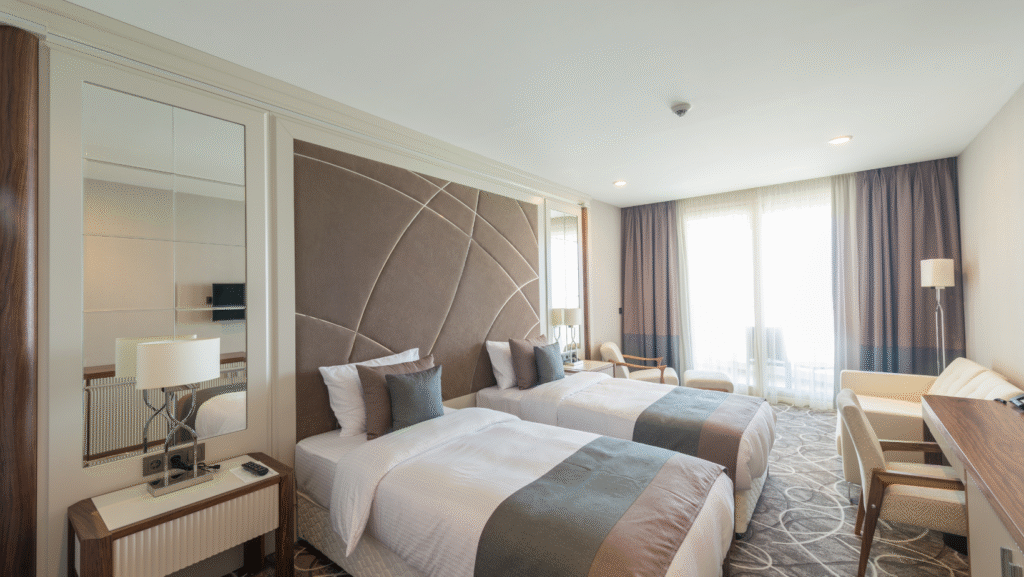
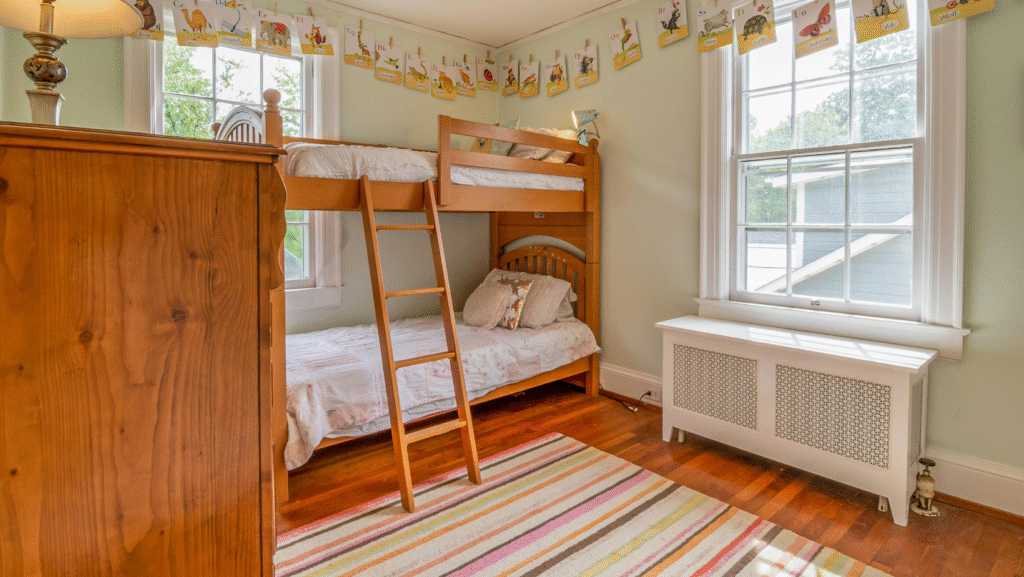
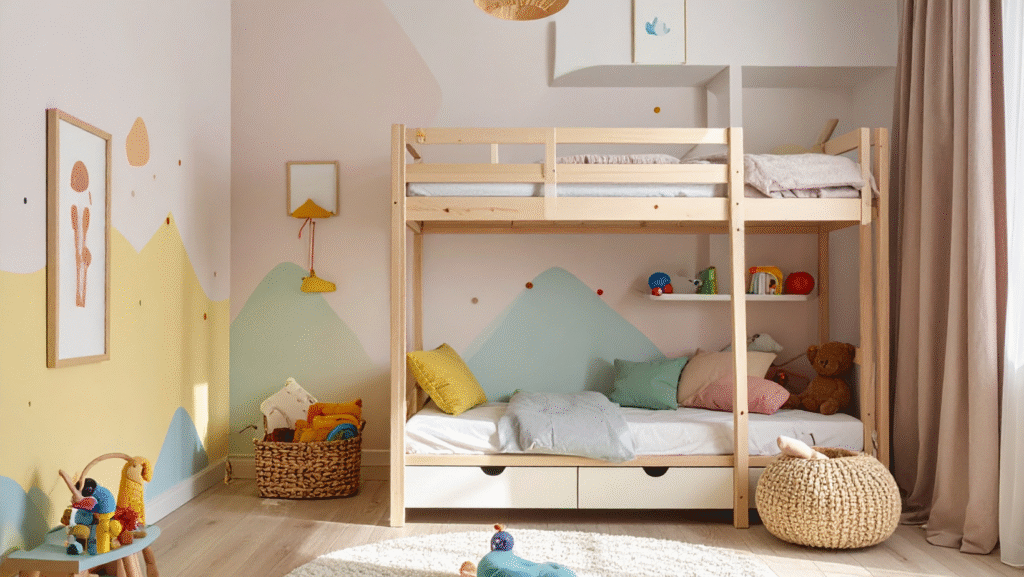
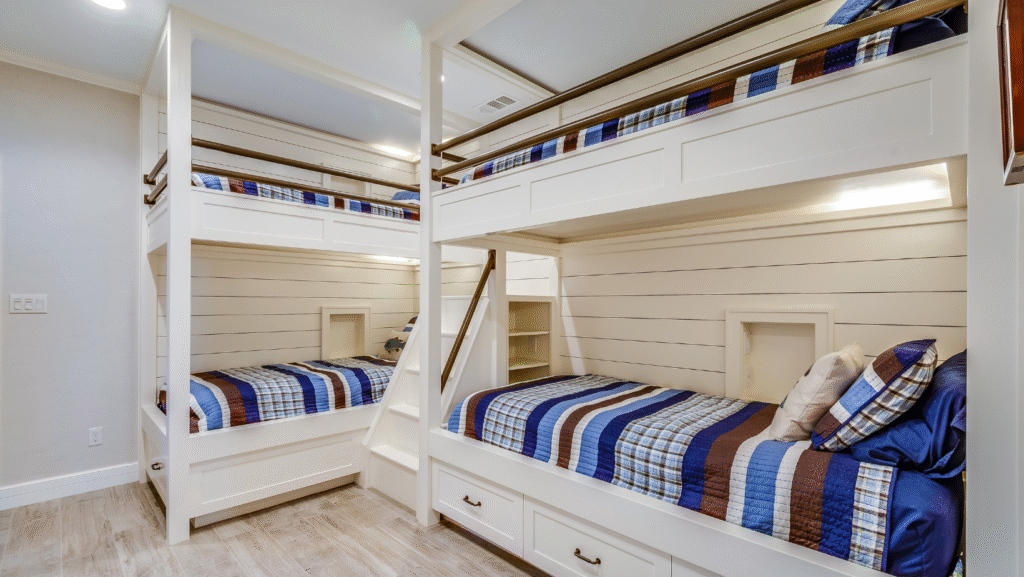
1-Bedroom vs 2-Bedroom vs 3-Bedroom vs 4-Bedroom Houses
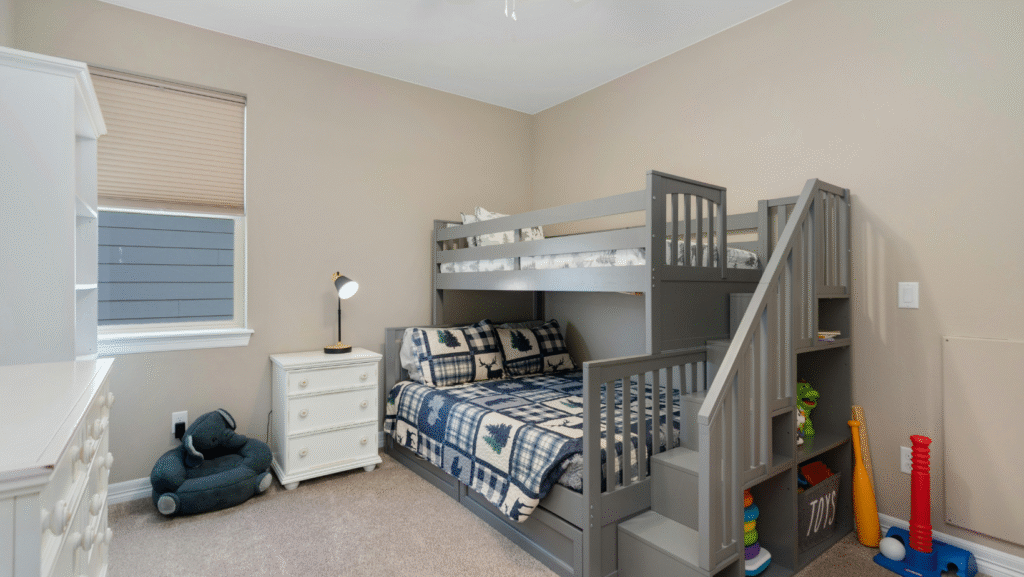
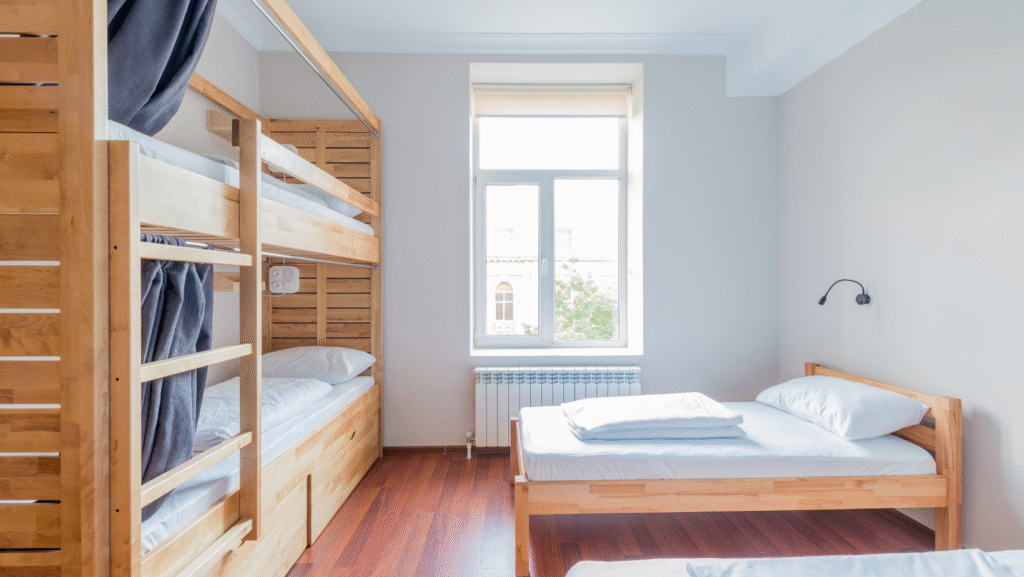
Like I’ve said, your household needs determine whether you should choose a 1 bedroom or 2 bedroom or 3 bedroom or 4 bedroom house. The main factor is the number of children in your family and whether they can share a room or need individual ones.
Here’s my general opinion on housing children properly:
- Newborn to 1 year: Should stay in your room
- 1–2 years: Can continue sharing your room or have their own
- Up to around 10 years: Siblings—regardless of gender—can share a room
- Around 10 years and above: Children, especially of opposite genders, begin needing privacy, so separate rooms are ideal if you can afford them
- 13 years and older: They’ll likely demand their own space and may only share a room with same-age, same-gender siblings
It’s also important to understand your children’s personalities, as some may need privacy earlier. For example, introverted kids often crave solitude from a young age. They need space to explore their thoughts, process information, and recharge creatively.
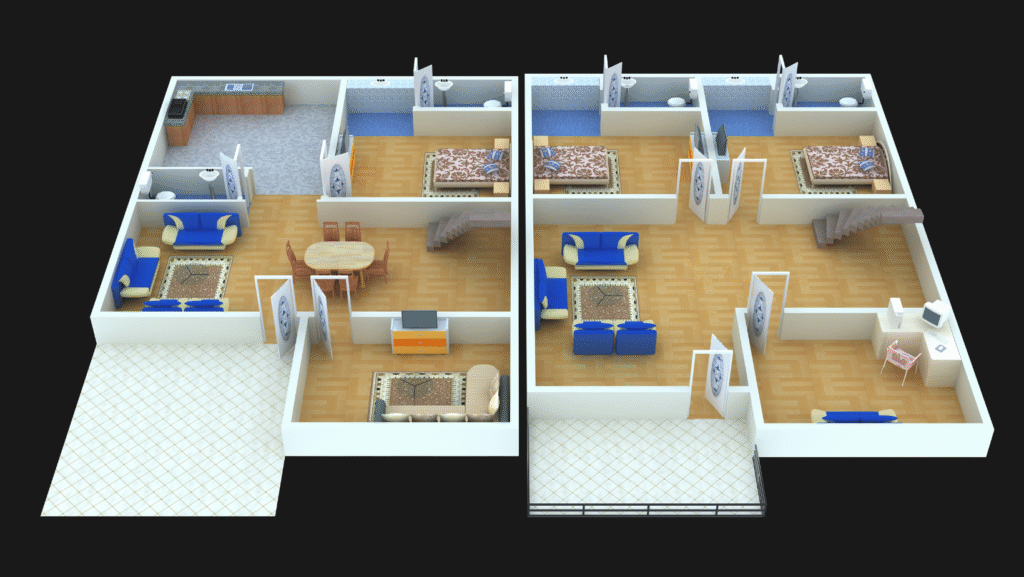
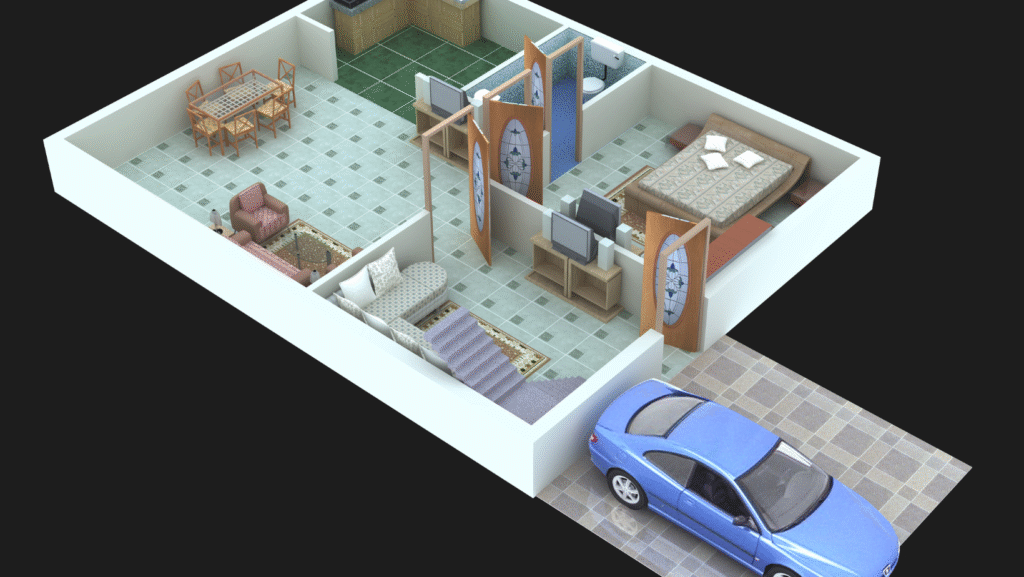
With that in mind, here’s a general guide for choosing a house with the right number of bedrooms for your situation:
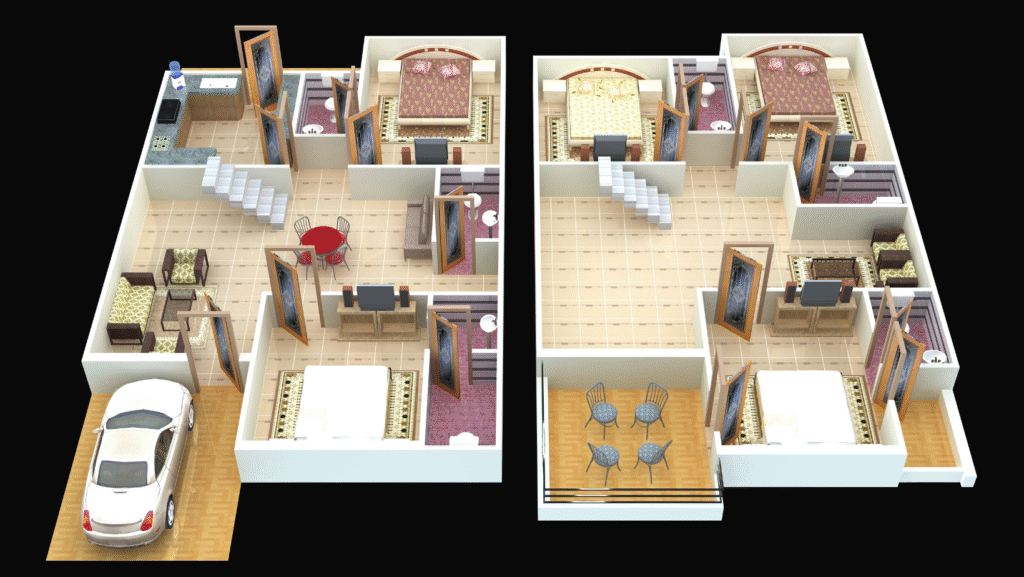
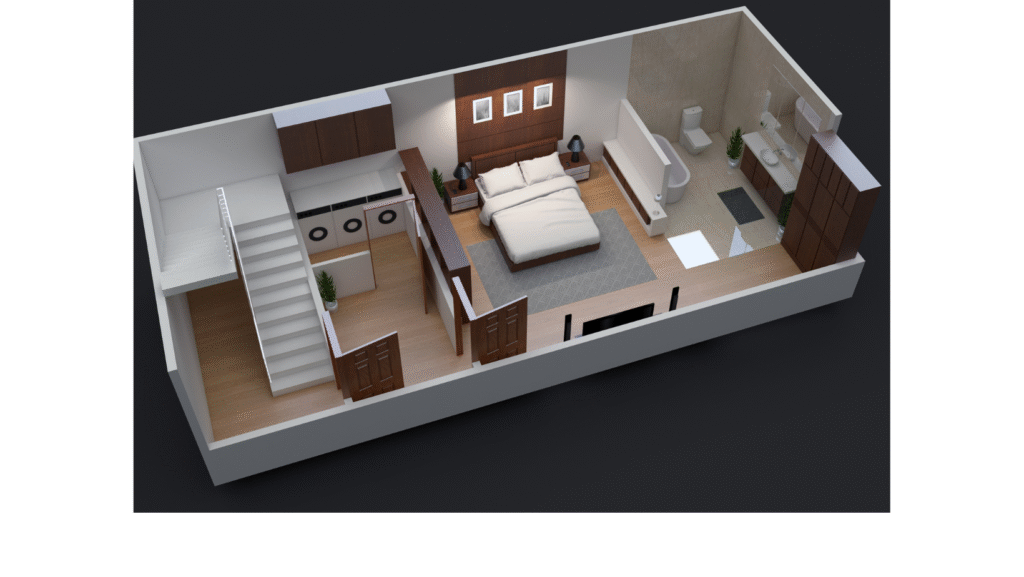
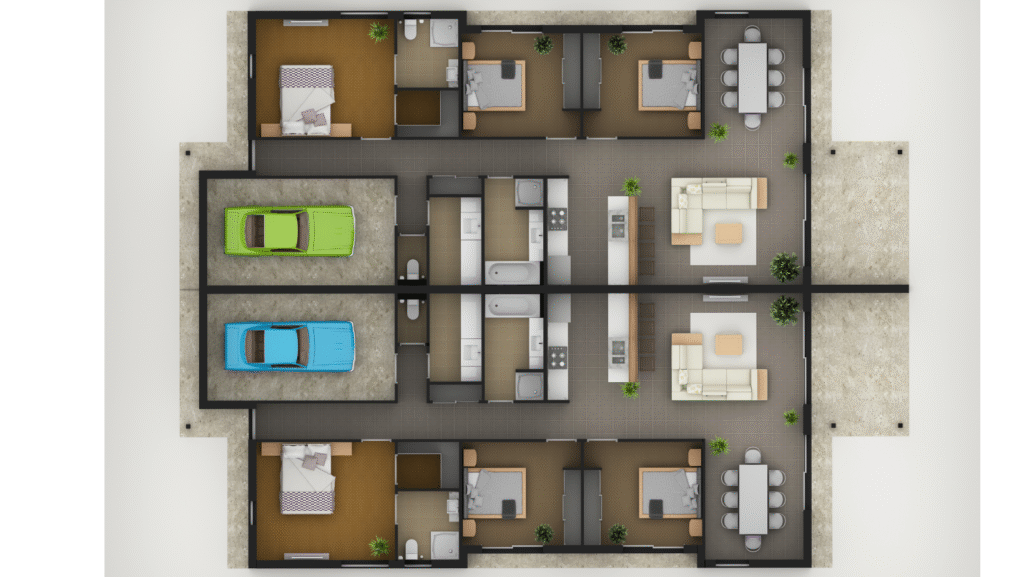
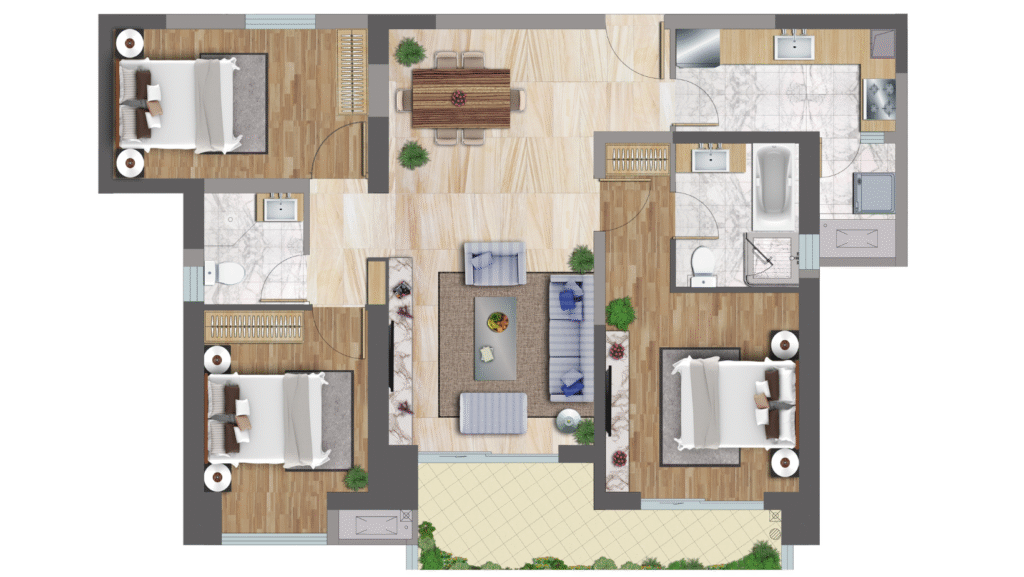
| 1 Bedroom Houses | 2 Bedroom Houses | 3 Bedroom Houses | 4 Bedroom Houses |
| Perfect for… A. Single person or couple with no kids; B. Have few stuff; C. No frequent visitors | Perfect for… A. Single person without or with 1 – 2 young kids; B. Couple without or with 1 – 2 young kids; C. Single or couple without kids, but have frequent visitors | Perfect for…. A. Single with 1 – 4 kids of varying ages or genders B. Couple with 1 – 4 kids of varying ages and genders C. Single or couple without kids, but has frequent visitors and a lot of stuff | Perfect for…. A. Single with 1 – 6 kids of varying ages or genders B. Couple with 1 – 6 kids of varying ages and genders C. Single or couple without kids but has more than enough money |
Important Note:
The above information reflects my personal opinion, based on experience gained during my years as a caretaker and from interactions during my tenancies. Your bedroom needs may vary—being more or less—depending on your budget or even your stage in life.
When it comes to the stage in life, young singles or couples often prioritize location over space. That’s the same reason I chose a bedsitter in South B instead of a two-bedroom house in Kikuyu.
Many young people simply need a place to sleep and store a few essentials. The need for a larger house with more bedrooms arises as the family begins to grow—when a partner comes into the picture, followed by the first child, and then others thereafter.
Bedrooms’ Quality vs Quantity
When searching for a house to rent or buy, avoid being fixated on the number of bedrooms. House designs vary widely, and bedroom sizes are never the same.
For instance, you might find a one-bedroom apartment with remarkably spacious rooms—a living area that fits a 10-seater couch, a 10-chair dining table, and still has space for an office desk. Yet, another design may feature more bedrooms but with small, oddly shaped rooms that make organizing your belongings a challenge.
Therefore, the quality of bedrooms matters just as much as the quantity. There’s no point paying more for a four-bedroom house that you’ll effectively use as a three-bedroom with a pantry.
Seek Outside Help to Live Your Dream
The house you buy or rent should have the right number of bedrooms for your current situation. Of course, this “number” may change over time as your household grows and evolves. But choosing a house with the future in mind can help you avoid frequent relocations and the hassle that comes with them.
At JOSFA HOMES, we’re always ready to help you find a good house with the exact number of bedrooms you need. Simply fill out our Rent a House pre-booking form, or Contact Us form, or reach us directly via call or WhatsApp at +254 111206245 or email us at info@josfahomes.com.
We also offer a curated collection of Houses for Rent and Houses for sale, featuring listings we’ve personally inspected and verified before posting.
Don’t wait to be happy—create your own happiness today. It’s not just about living comfortably if you can afford it; it’s also about living comfortably within what you can afford.