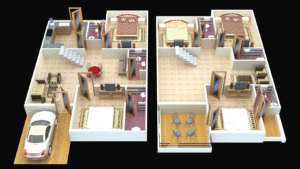

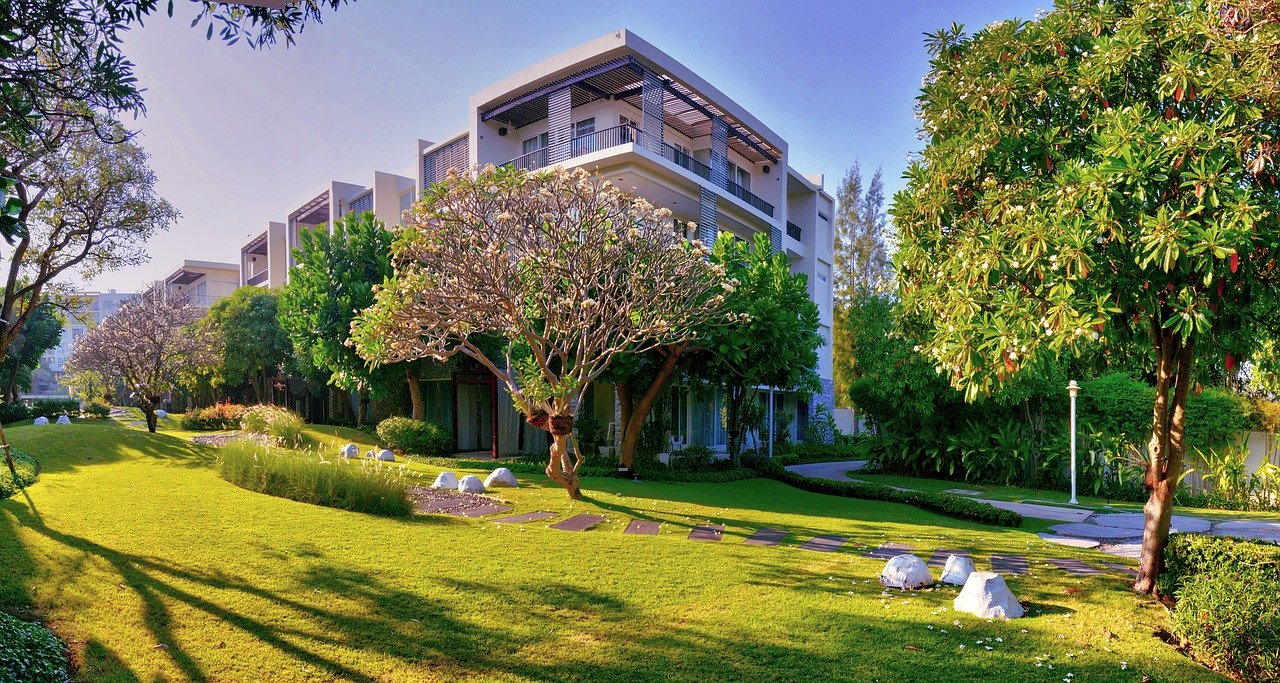
What do you prioritize when searching for a house to rent for your family? Do you just settle for one with the right number of bedrooms? As someone who used to manage rental houses in Nairobi, I can tell you that finding a good house involves far more than just bedrooms. Even if it has the required number of bedrooms and ample space, it still may not qualify as your dream home.
In the years I was a caretaker, that hands-on experience really taught me a great deal about rentals. In this post, I’ve briefly highlighted 30 things you should always consider before paying and moving into your new house. Some, like the type of entrance door, are preferential, but others—like efflorescence forming on the walls or flooring—are critical for everyone.
Inspect every inch of your house of interest, ensuring the walls are clean, freshly painted, and free of cracks. If you notice powdery, chalky white, or grayish substance (efflorescence or white mold) on the walls, moisture is seeping in.
Without wasting time, let’s dive into these factors, starting with what you’ll always encounter first before entering the house:
1. Main Entrance
The main entrance (or driveway) is the first feature that greets you whenever you enter your new home.
Therefore, when choosing the next house to let, ensure its main entrance is passable both on foot and by vehicle. In the rentals I managed, the feature was right next to the main tarmac road. The entrance of the first rental had hedges on both sides, and I’d ensure they were trimmed every month.
2. Perimeter Fence
A fence is the second element to consider when looking for a rental house. It serves as a physical barrier to control access to the property and provides privacy—you can enjoy the outdoors without worrying about unwanted gazes.
3. Access Gate
A gate acts as an extension of the fence, controlling who accesses the property and enhancing privacy. However, confirm whether there will be a permanent gatekeeper or if you’ll need to open it yourself.
4. Parking Space
When renting a home, ensure there’s enough parking for your car (or cars). This helps secure your vehicle and avoids conflicts with neighbors (other tenants).
Tip: Communicate with the property manager about parking, confirming if each tenant has a designated spot. While the rental I managed had ample parking spaces, I still had to resolve disputes among tenants fighting over their favorite spots.
5. Clean Compound
The compound of the house you choose should be clean and well-maintained at all times. To avoid walking through mud during rain, opt for a compound with a hard surface, like concrete or cabro blocks.
You could also consider a compound planted with beautification grass, but ensure the pathway is made of concrete, cabro blocks, tarmac, or fine gravel.
6. Good Drainage System
Beyond keeping the compound clean, it should effectively remove water (from rain or cleaning) from the surface. If it’s a hard floor, ensure the compound is slightly sloped so water can naturally run off to the drainage system.
The drainage system will then redirect this excess water to the sewer, preventing damage to the house’s structure—floor, walls, and ceiling.
7. Maintained Sewer
With houses for rent in Nairobi, the drainage system usually connects to underground pathways leading to the main municipal sewer lines. Hence, waste disposal is rarely an issue.
However, in places outside Nairobi—like Kikuyu—public sewer networks are lacking. As such, ensure the house you’re renting has access to a well-managed septic tank.
8. Leak-Proof Roofing
As a tenant, one of the worst experiences is a leaking roof. In one of the houses I was managing, we had this issue in the bathroom and hallway of a unit. It was heartbreaking to see a client paying tens of thousands go through such experiences—my own quarters were leaking in some areas too.
In both cases, I tried sealing what I thought were the points of rainwater leakage, with no success. These were old houses, so pinpointing the exact source was tricky.
When choosing a house to rent, ensure the roof doesn’t leak for peace of mind and to prevent damage to your homeware, furnishings, and ornaments. It’s also a safety precaution against electrical short-circuits, which can occur if rainwater comes into contact with a live power line. (Short circuits can lead to electrocution, damage electronics, and even start electrical fires.)
Tip: A house with roof sheets “propped” with stones is a big red flag for rain leaks. From inside, you can identify signs of leakage if you see brown or dark “water” patches on the ceiling, or heavily molded or rotten spots.
9. Exterior Wall Condition
The exterior walls can reveal the house’s overall condition and what to expect inside, even before you enter. If they greet you with a big crack, move on to the next house on your list, as that house will likely disappoint or devastate you.
10. House Entrance Door
Here, preferences vary as some tenants prefer a solid luxury wood door and others a solid steel one. Personally, I favor a house with both a solid wooden door and a metal grill door. This may seem old-school, but it ensures maximum security and enhanced ventilation on very hot days or when you need to expel stale smells or odors quickly.
11. Spacious Rooms
The new house you’re moving to should have enough space to suit your needs. This is critical as I’ve seen tenants struggle to organize furniture and appliances into their desired layout after moving into a small house. Some even end up turning their balcony (meant as a chilling spot) into storage.
Takeaway: The house you’re renting shouldn’t just accommodate all your current items. It should also have space for exercising and future scalability.
12. Dedicated Storage
Unfortunately, many owners of houses for rent in Nairobi no longer consider that clients need space to store shopping. Many houses I checked a few weeks ago had very small kitchen cabinets and closets, with no pantry.
Takeaway: Choose a house with large cabinets and closets for proper storage of all your stuff. If it has a built-in shoe rack and pantry, even better.
13. Clean Interior Walls
Just like the exterior ones, interior walls reveal a lot about a house. Inspect every inch of your house of interest, ensuring the walls are clean, freshly painted, and free of cracks. If you notice powdery, chalky white, or grayish substance (efflorescence or white mold) on the walls, moisture is seeping in.
While I’m no structural engineer, I believe moisture surfacing to this extent is a serious issue that may damage the wall’s structure.
Tip: Most (and I mean 99%) landlords and landladies will charge you “repair” fees when you vacate. Therefore, the new house should have all walls freshly repainted. It’s also critical to ask the owner or caretaker if they allow remodeling the walls with your desired paint color or wallpaper.
14. Clean, Comfortable Flooring
Similar to interior walls, flooring reveals a lot about a house. A sign of fresh efflorescence or white mold on the floor indicates a moisture issue. Enquire about it or move on to the next, as I’ve seen houses start seeping water through the floor during rainy seasons.
For someone arthritic, consider vinyl flooring for warmth and cushioning. If you can’t find vinyl that fits your needs, take floor measurements for carpeting.
15. Working Electrical Wiring
If you’re not thorough when inspecting a rental, you may end up doing electrical repairs in your first week. During the viewing, confirm all switches and sockets are properly installed and working.
Also, ensure the kitchen has a dedicated high-current socket for a cooker and oven. These appliances operate at 30–50 amps, which is beyond normal socket outlets (15–20 amps).
Tip: Once you’ve selected the house you want, test all electrical outlets and bulbs to ensure they work. Otherwise, some rental owners will pass the electrician costs to you if you raise the issue after moving in.
16. Stable Internet Connectivity
At this point, internet connectivity is everything—from schoolwork and remote jobs to entertainment. As someone who lives online, I can’t recommend moving to a rental without access to both wired and wireless options.
Choose a rental where you can confirm the availability of wired internet (preferably fiber) and a strong (or at least decent) mobile signal.
Tip: If you intend to use Safaricom fiber, note that they offer services based on terminal box availability. Confirm with the provider beforehand if your area of interest has open terminals.
17. Good Ventilation System
A poorly ventilated house risks asphyxiation and facilitates musty air, mold, and mildew. This makes it uncomfortable, triggers allergies, stains furniture or clothing, and worsens asthma symptoms.
As such, ensure the house for rent you move into has large windows for efficient fresh air exchange. The grill door I mentioned earlier also helps, or opt for a house with a preinstalled air conditioner.
18. Large Windows
Large windows are not only good at improving indoor air quality. They also flood the house with natural light, minimizing the need to switch on lights.
Sunlight makes rooms appear brighter and more open, enhancing visual appeal, and lets you enjoy panoramic views of the surroundings.
19. Thorough Plumbing
Like electricals, the rental should have all plumbing done well. If water isn’t flowing from any tap, that’s a problem. Leaking taps or pipes— a problem. A toilet doesn’t flush properly— problem. A kitchen sink is not draining— a blockage waiting to happen.
Therefore, inspect all these fixtures and lines in detail. Otherwise, you may end up paying for these repairs out of your pocket, or the leaks cause other issues.
20. Quality Countertops
This is preferential but important. Most modern houses use solid stone countertops, especially marble or soapstone. However, many rentals in Kenya still have tiled ones for affordability; some older houses are even wooden.

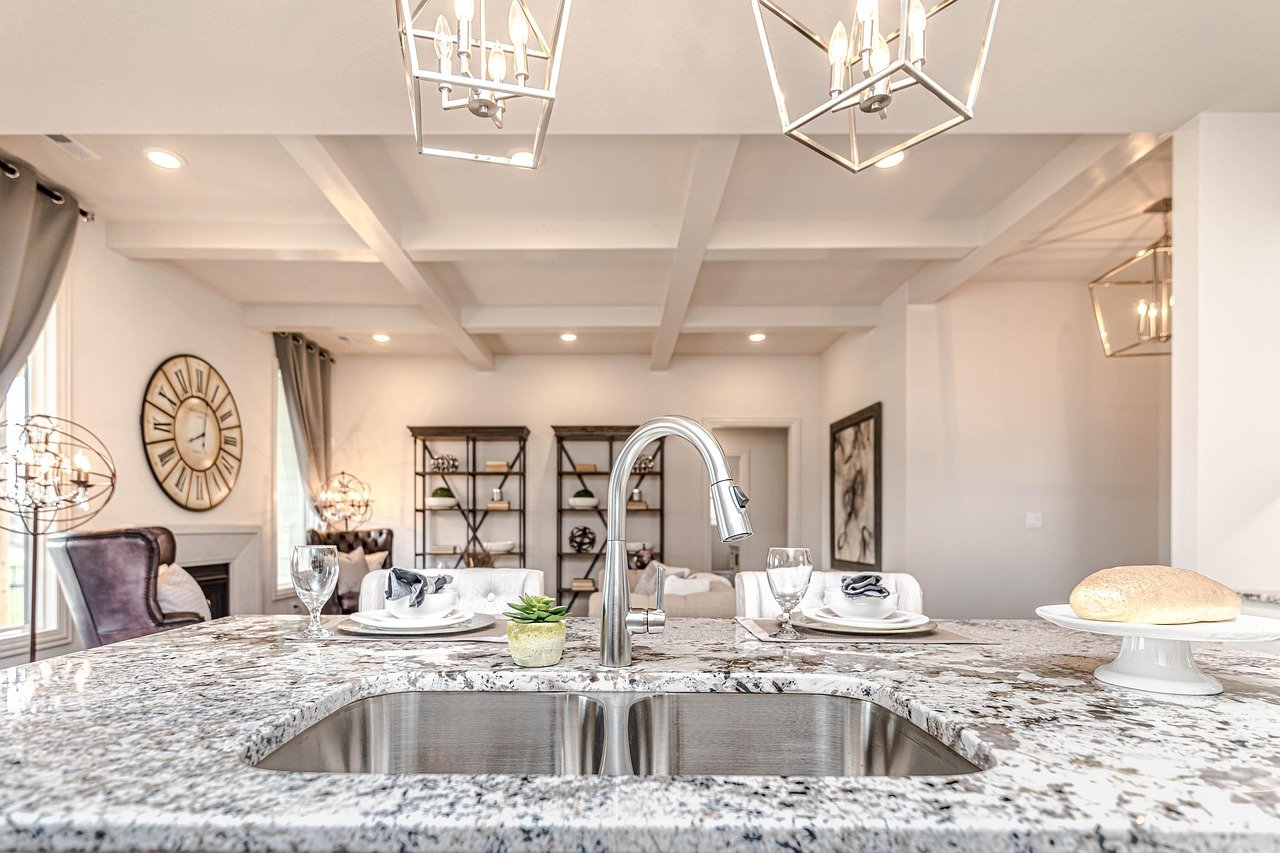
When choosing a kitchen countertop for your new house, consider its resistance to heat, stains, and scratches, plus ease of cleaning—some materials clean better than others.
21. Sufficient Water
Even before internet connectivity, a good rental house should have enough water for all your needs. Many properties rely on the municipal water project, which is available only on specific days. So make sure you know what these days are and confirm that there are enough reservoirs to serve all tenants every day of the month.
If each tenant has their own reservoir tank, even better. If the place has its own borehole, the best!
22. High Water Pressure
It’s not just about water flowing through the pipes. The water pressure also matters for satisfactory showering (Many heater heads won’t warm water if the pressure is low).
High pressure is also critical for laundry, dishwashing, and helping washing machines perform properly and effectively.
23. Bathroom Features
Different rental houses feature different types of bathrooms. Some are self-contained (inside), while others are shared (outside). Self-contained houses can have a shared bathroom or ensuite, with a shower or bathtub. Toilets may also be squat-type or sitting-type.
Therefore, you must decide what you want in these areas before searching for a house to rent. After finding houses with your desired bathroom features, confirm everything is in good condition.


24. Solid Stair and Balcony Bars
If renting an apartment unit, ensure stairs and balconies have safety bars. They prevent accidental falls—especially for kids and elders—and support those with limited mobility (elderly or leg injuries) for independent, confident movement.
The house shouldn’t just have these safety bars, but well-made and strong for ample support.
The rental house you choose must have a dedicated laundry area, inside or shared outside, with enough clothes lines or the option to add your own.
25. Dedicated Laundry Area
If you have (or plan to get) a washing machine, ensure it also has a hookup point. Many modern homes include it, but some property owners haven’t caught up or don’t care.
Tip: If you prefer washing clothes privately, choose a house with its own dedicated laundry area (or a large bathroom space) and a running tap.
26. Heightened Security
It’s already 2026, why should you rent a house in a compound without CCTV cameras? They’re the first line of defense, letting you monitor entries and exits in real time with recordings.
I also recommend a rental with a full-time security guard or caretaker. Or will you be comfortable getting out of your car at night to open the gate yourself—especially now we’re heading into the festive season?
Tip: Unfortunately, many Kenyan homes lack the right CCTV camera system. They have subpar models that produce nearly unusable images. But since rentals now include doorbells, consider replacing yours with a high-quality video doorbell for crisper captures.
27. All-Weather Access Roads
When hunting for a house to rent, you must also consider the road network and available means of transport in the area. The road connecting to the rental should be tarmacked if you don’t want to arrive at work looking as if you’ve just walked through a farm.
I’d also recommend choosing a house that’s no more than a kilometer from the bus terminus or stage. Even if you drive, you’ll certainly have friends or relatives who use public transport, and it will be convenient for them if your home is easily accessible.
28. Nearby Amenities
Would you like a mall next door to your home? Surprisingly, many tenants don’t mind the absence of a nearby mall as long as they have a local market, supermarket, and small shopping centre. South B in Nairobi has thrived without one despite being a favourite residential area for many, especially middle-aged and young adults.
Besides shopping facilities, you might also want to consider nearby healthcare, schools, and places of worship.
29. Future Developments
The worst experience as a tenant is going through the hassle of searching, relocating, and settling into your new house, only to receive a notice to vacate for redevelopment later that month.
Therefore, get a little nosy and ask some questions about the rental property. Inquire whether there’s any plan for ownership transfer or redevelopment of the place.
30. Lease Agreement and Security Deposit
Wouldn’t it be nice to move into a house without having to pay a security deposit? Unfortunately, all landlords have made this a mandatory requirement. Most require only a one-month deposit, but others may ask for two, three, or four months.
Whatever the agreement, I’d insist on enquiring about how the deposit is handled when you vacate. Do you have to “sit” on it, or do they refund the full amount?
As I mentioned earlier, all landlords (at least those I’ve dealt with) charge repainting fees when you leave their premises. Ask how much they deduct from your security deposit.
Another thing: don’t forget the lease agreement. Pay the security deposit only after reading the lease agreement cover to cover and signing it—verbal promises don’t count.
Get in Touch for Your Rental Needs
If you’re looking for your first house or upgrading but don’t have time to search for the one you need, we can help. Get in touch by filling out our Contact Us form, emailing info@josfahomes.com, or calling/WhatsApp +254111206245.
At JOSFA HOMES, we’re committed to helping you find your dream home without hassle. We handle all the challenging parts of renting a house—house-hunting until we find a unit that meets your desires. We also have an exclusive selection of houses for rent that we’ve personally previewed and confirmed all features are as described.